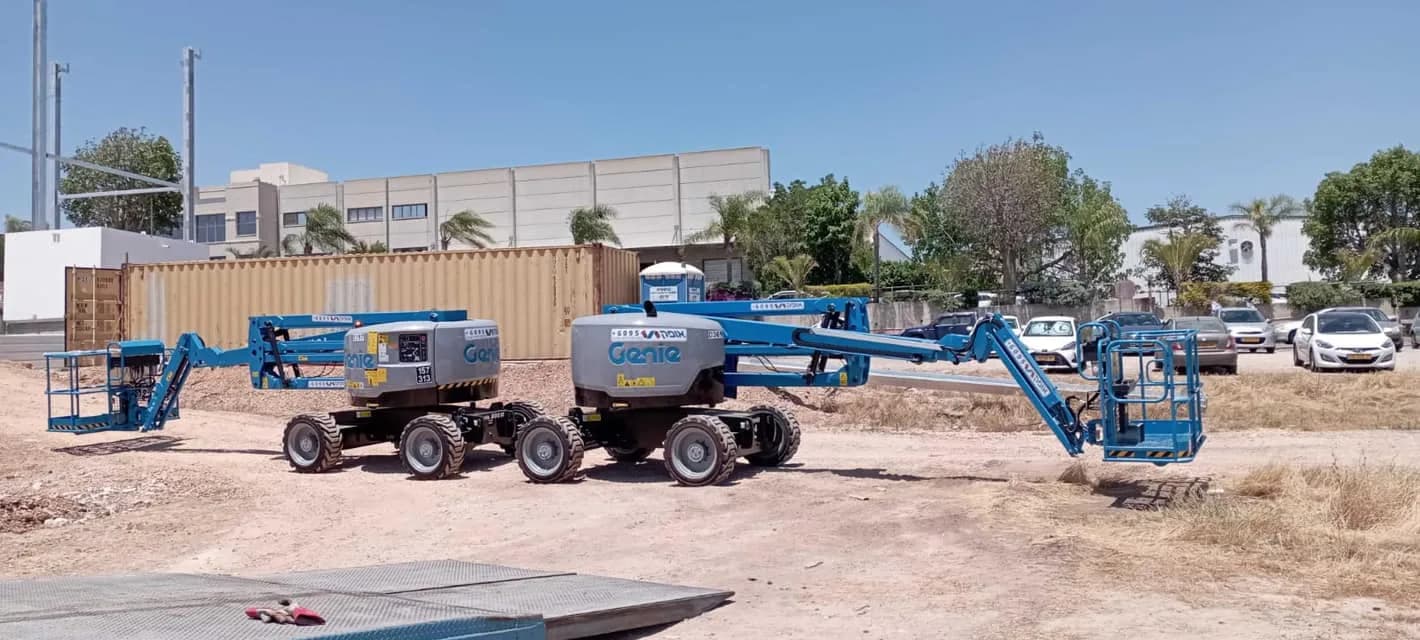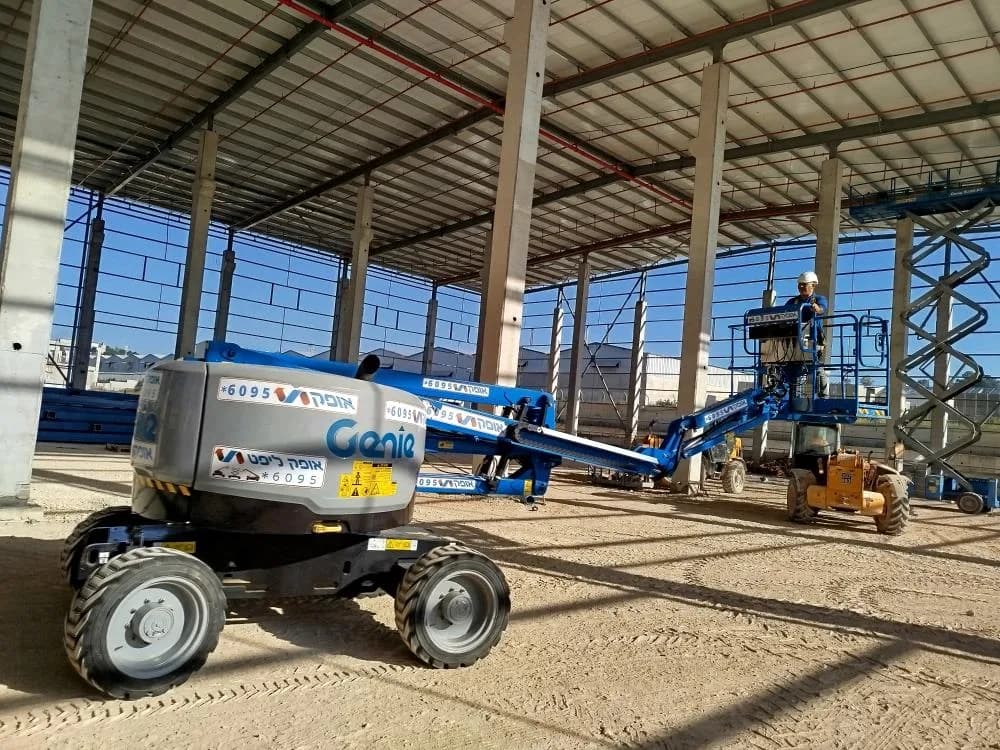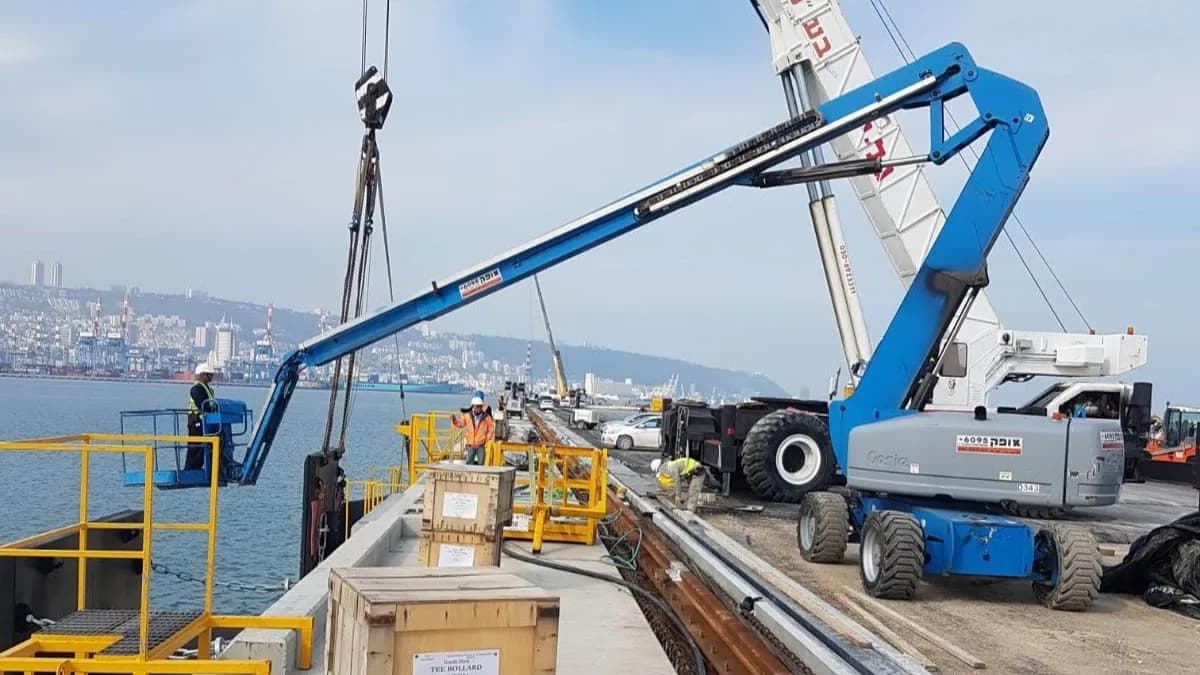

A structured schedule for periodic inspections of lifting equipment to ensure maximum safety.
Properly maintained lifting equipment is a basic prerequisite for safe work at height. Correct maintenance does not mean attending to the machine only 'when something feels wrong' — it is built on a fixed routine: daily checks, routine servicing, and certified periodic inspections.
Daily Check — Before Starting Work
At the start of every working day, before mounting the machine, carry out a brief inspection round:
- Visual inspection: oil leaks, tyre damage, cracks or deformations in the structure
- Integrity of basket guardrails, entry gate, and anchor points
- Function of controls, emergency-stop button, and emergency-lowering system
- A short no-load trial run before starting work
Periodic Inspections and a Certified Inspector
In addition to daily checks, lifting equipment is required under Israeli regulations to undergo periodic inspection by a certified inspector. For rented equipment, the responsibility for inspections rests with the rental company — every machine that leaves for your site comes with a current inspection report. For equipment you own, maintain an organised log of inspection dates and make sure no date is missed.
Batteries, Hydraulics, and Everything in Between
In electric machines the battery is the heart: ensure a full charge at the end of every working day and check the electrolyte level in lead-acid batteries in accordance with the manufacturer's instructions. In engine-powered machines, monitor oil, fuel, and coolant levels — a small oil stain on the floor is usually an early sign of a major problem.
Signs That Require Immediate Stoppage
If any of the following signs appear — lower the basket safely and stop work:
- Non-uniform movement, jerking, or vibration during lifting and lowering
- Unusual noises from the hydraulic system or engine
- Active oil leak or rapid drop in level
- Error warnings on the control panel that do not reset
Not sure which equipment suits you?
Get expert advice