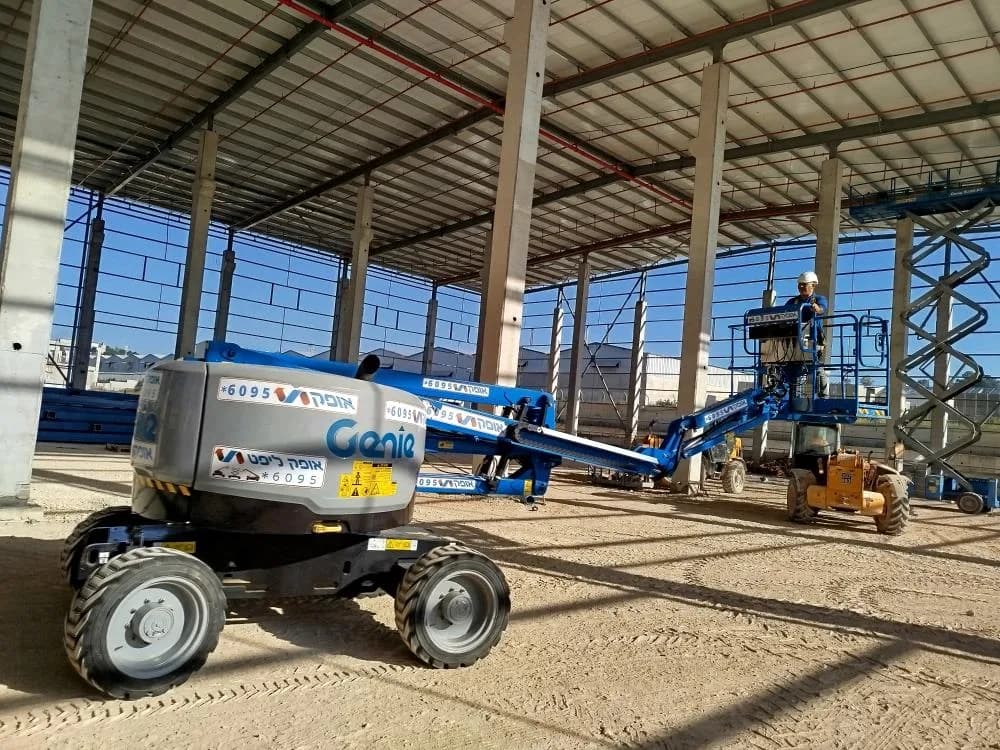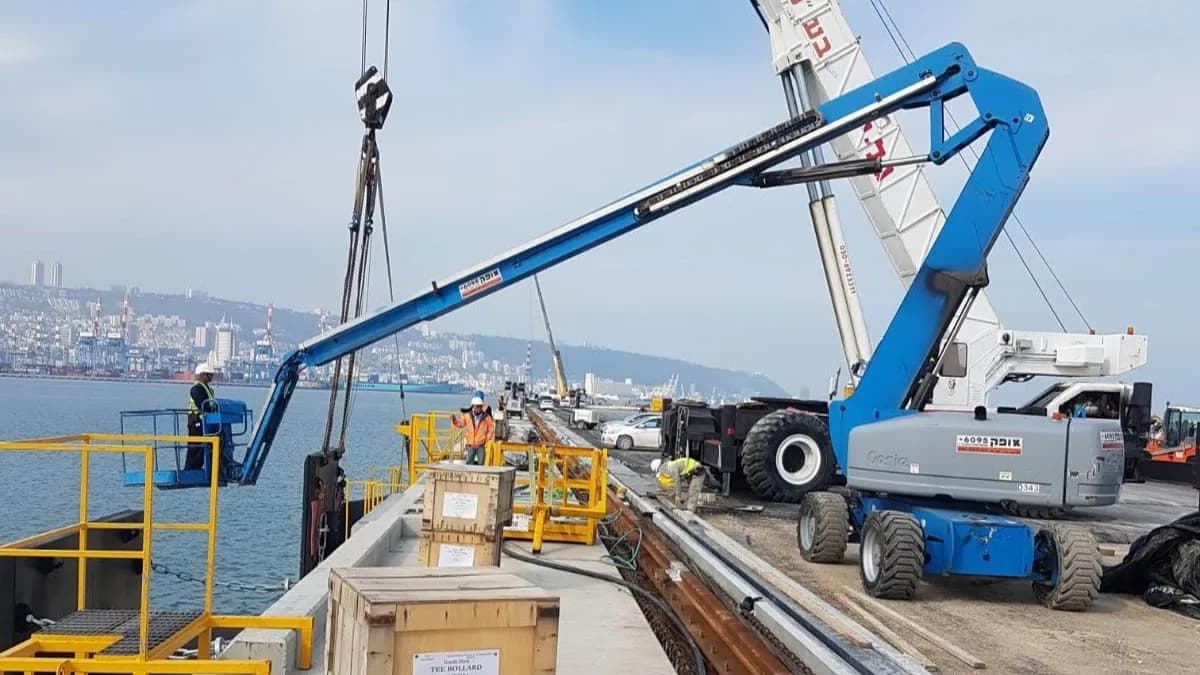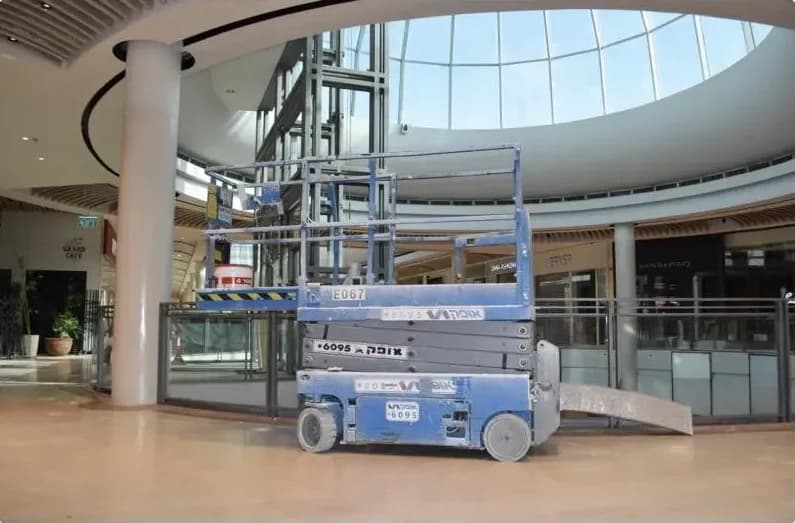

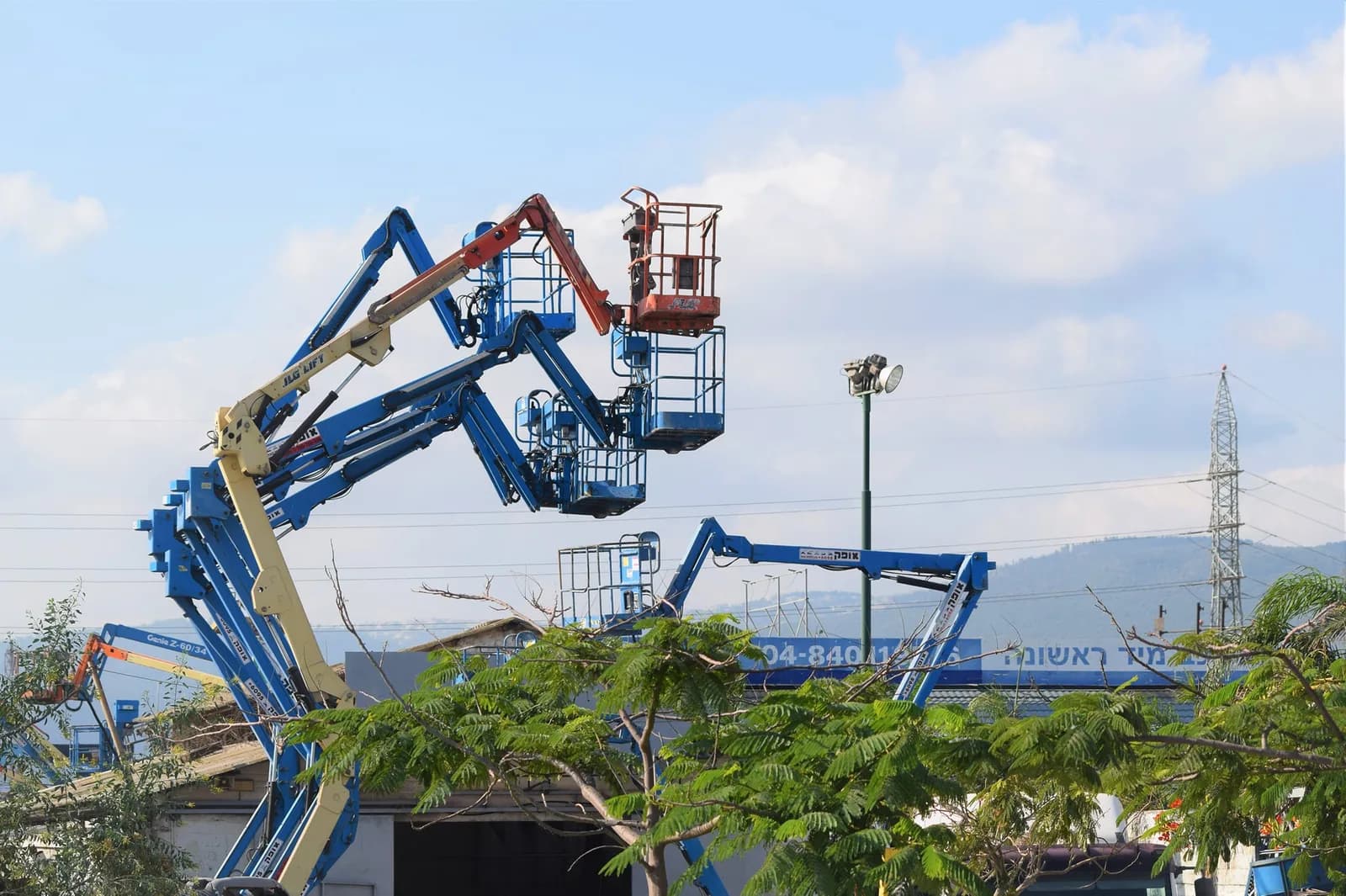
When selecting work-at-height equipment, matching the machine to the job type, site conditions, and required safety level is essential.
Renting work-at-height equipment is a decision that directly affects the pace of work, cost, and on-site safety. A machine that is too large will get stuck at the site entrance; one that is too small will never reach the work point — and in either case you will pay for wasted working days.
Before picking up the phone to place an order, it is worth running through a few simple checks. That way you will receive an accurate quote and avoid surprises on delivery day.
Working Height, Reach, and Load Capacity
The most important figure is the working height — the height at which your hands actually need to work, not just the height the platform floor reaches. Working height is typically calculated as the platform floor height plus approximately two metres.
In addition to height, check the required lift capacity: how many workers will be in the basket, and what tools and materials will they bring up? If the work point is not directly above the machine's position, you will also need horizontal outreach — and that changes the type of machine required.
Site Conditions
No less important than the height is the surface on which the machine will stand and travel. Before ordering, check:
- Is the surface smooth concrete, asphalt, or rough earth?
- Are there slopes on the way to the work point?
- What is the width of the narrowest aisle, gate, or doorway on the route?
- Can the surface bear the machine's weight (underground car parks, suspended floors)?
Delivery, Transport, and Coordination
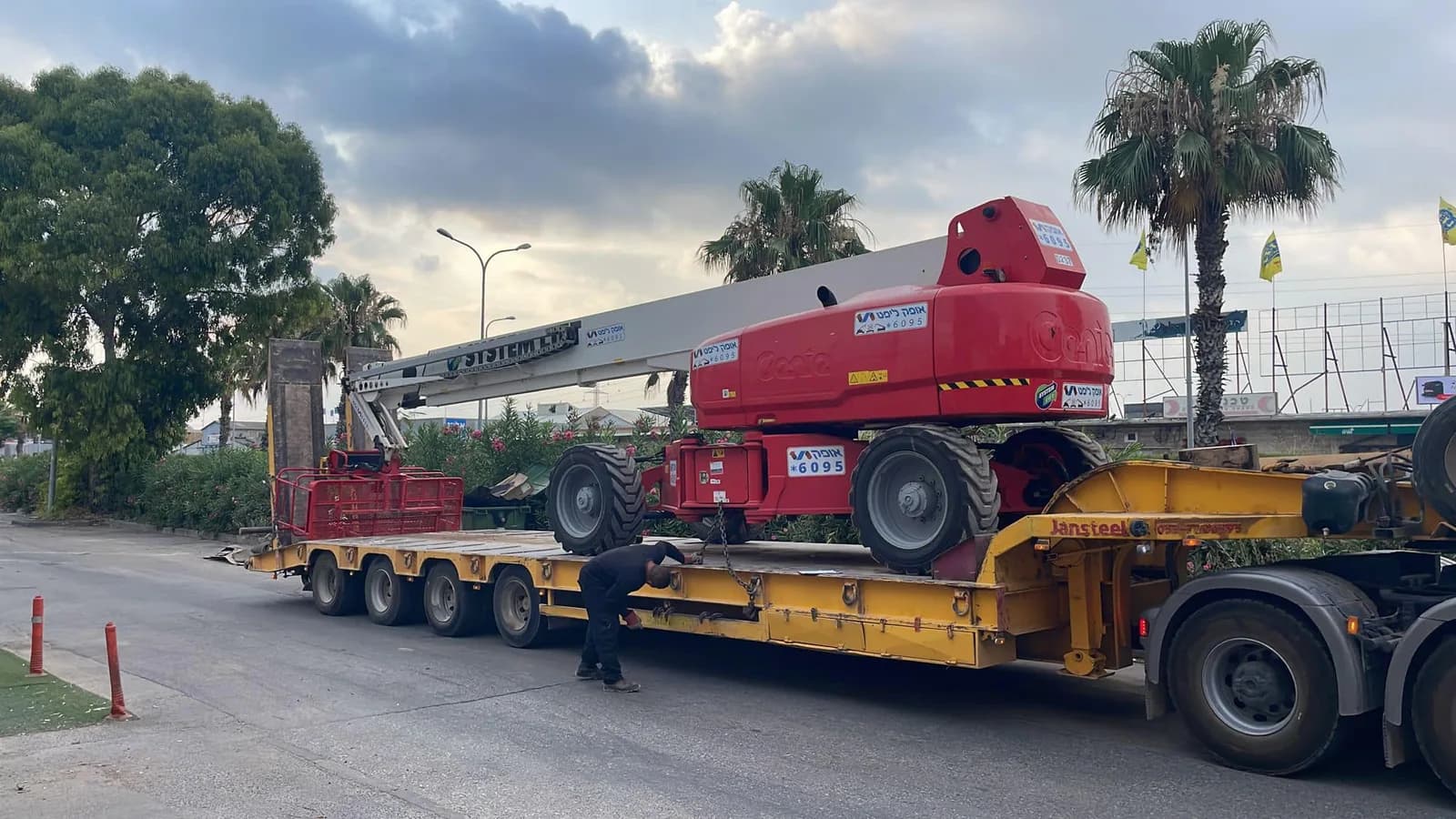
Lifting equipment arrives on a transport vehicle. Make sure in advance that there is access for a truck, a proper unloading point, and manoeuvring room. If the site is on a narrow street or in an area with traffic restrictions — let us know in advance and we will coordinate transport accordingly.
It is also important to decide who receives the equipment on site: at handover, a brief operational walk-through is conducted and the machine is checked together to confirm it suits the task.
Who Will Operate the Machine?
Operating an aerial work platform requires a worker with a current work-at-height certification, in accordance with occupational safety regulations. Make sure in advance that your team holds the required certifications and that personal protective equipment — harnesses, helmets, and safety footwear — is available on site.
Not sure which equipment suits you?
Get expert advice